
How to Remove Plaster Walls Safely: A Professional Guide by AR Drylining
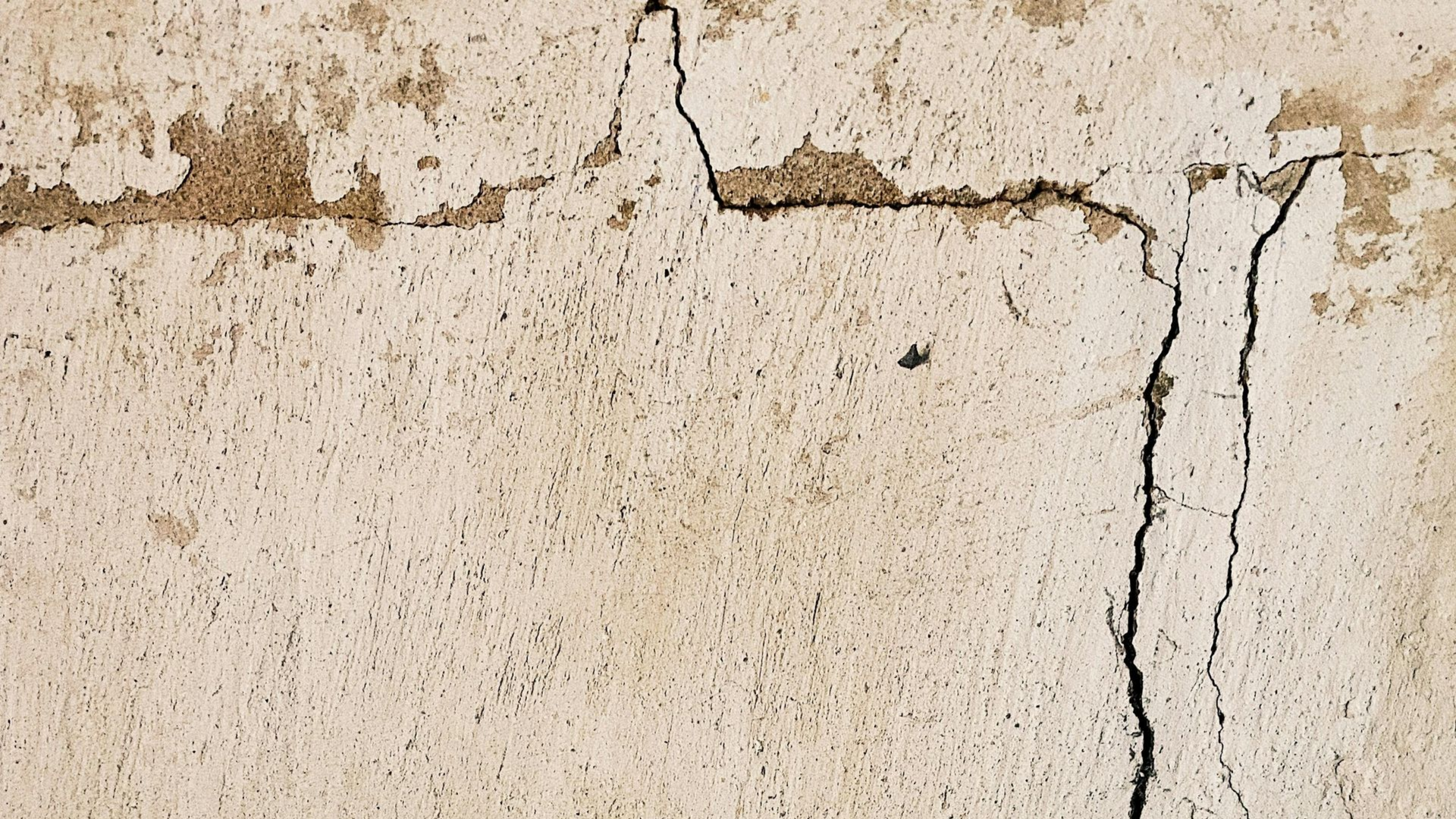
Removing plaster walls is a common part of many renovation and refurbishment projects, but it is also one of the most underestimated jobs in a property. If it is done incorrectly, it can lead to unnecessary damage, safety risks, and expensive delays.
This guide explains how to remove plaster walls safely, what to expect during the process, and why using experienced professionals like AR Drylining can save time, money, and stress.
What Type of Plaster Wall Do You Have?
Before any plaster wall removal begins, it is essential to understand what type of wall you are dealing with. Not all plaster walls are the same, and the removal method depends heavily on how the wall was constructed.
Traditional Lath and Plaster Walls
Older UK properties often have lath and plaster walls. These consist of wooden laths fixed to timber studs, with plaster layered over the top. They are solid, heavy, and create a significant amount of dust and debris when removed.
Modern Plasterboard Walls
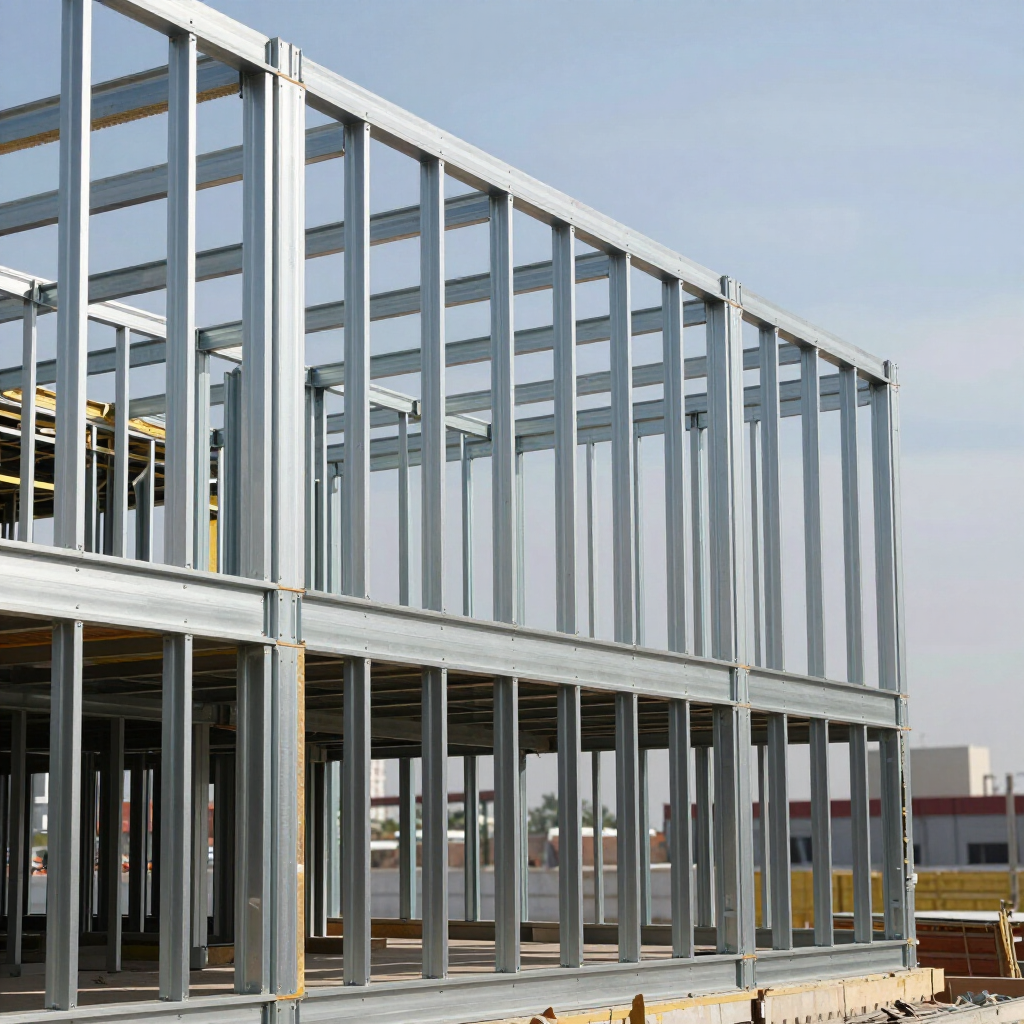
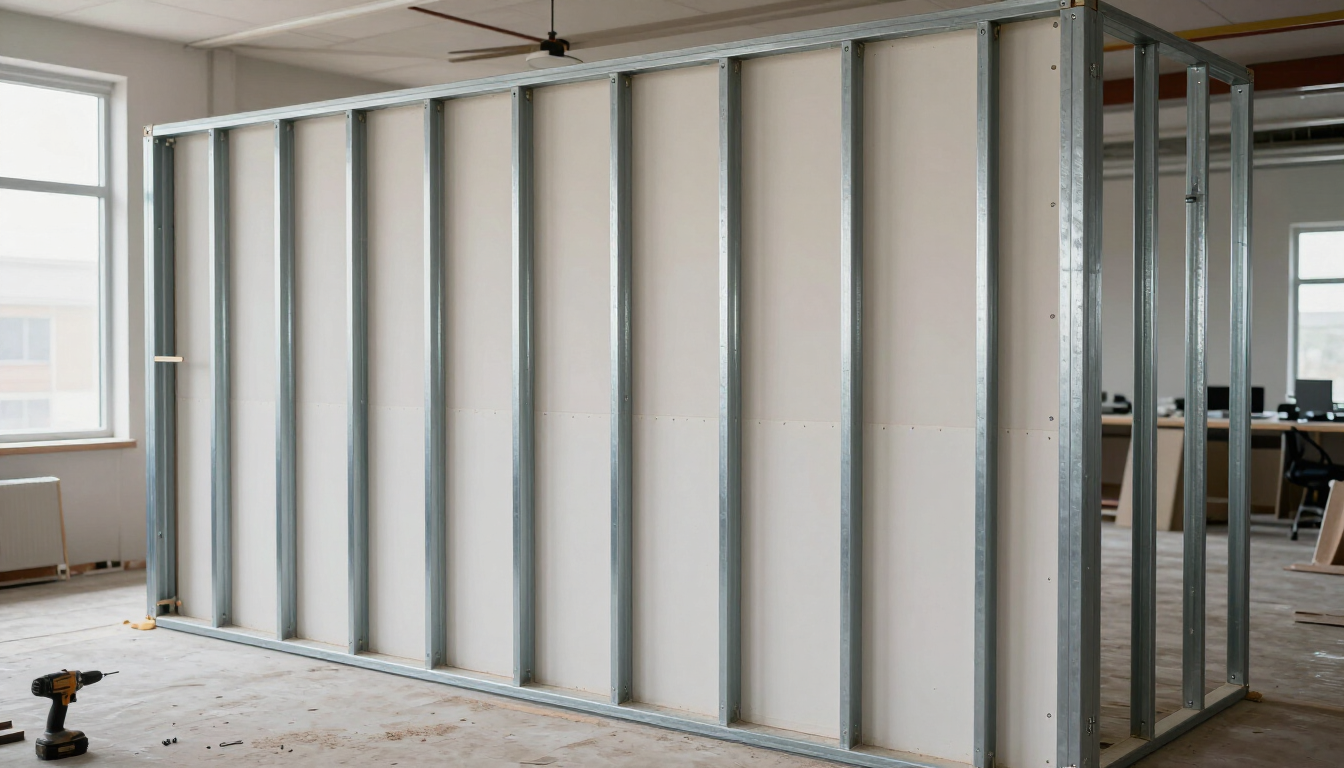
Newer buildings usually use plasterboard fixed to timber or metal frames. While easier to remove than lath and plaster, they can still hide electrical wiring, plumbing, or insulation that must be handled correctly.
Identifying the wall type early helps prevent damage and ensures the correct safety measures are in place.
How to Remove Plaster Walls Safely
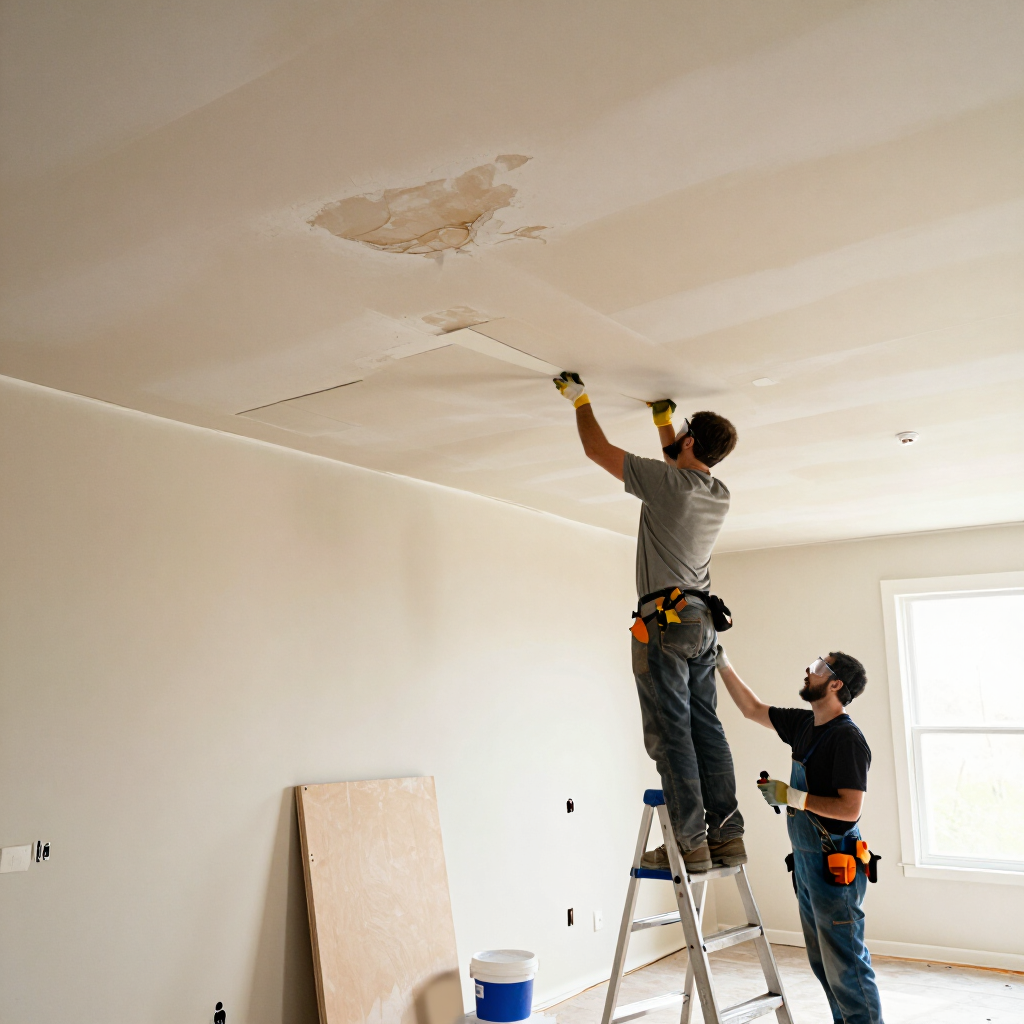
Understanding how to remove plaster walls safely is about preparation, control, and experience rather than brute force. Professional plaster removal follows a structured process designed to protect both the property and the people working inside it.
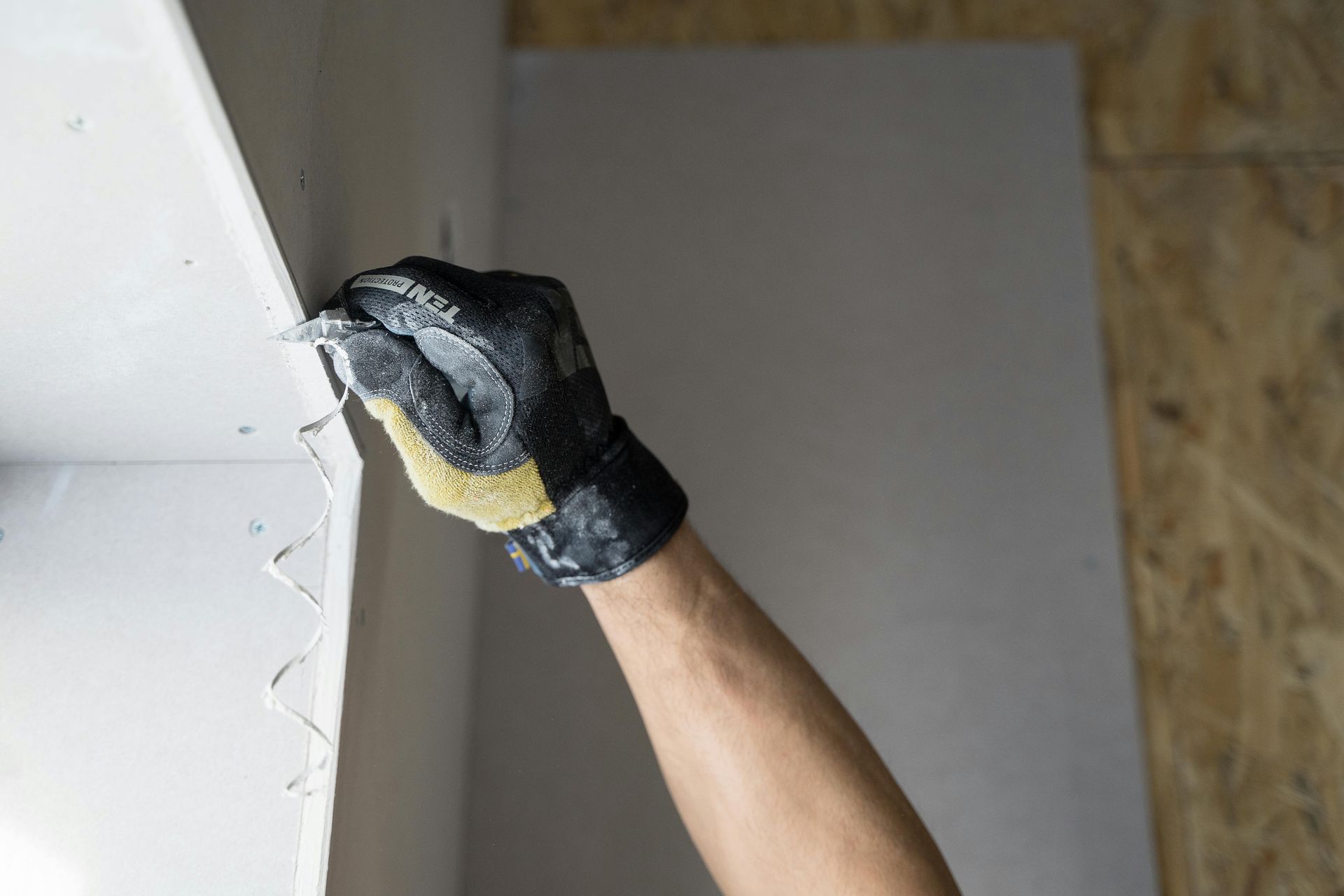
The process typically includes isolating services, protecting floors and adjacent rooms, and removing plaster in controlled sections. Dust management is critical, especially in occupied homes or commercial spaces.
Attempting to rush the job often results in damaged ceilings, broken wiring, or compromised structural elements.
Tools and Equipment Commonly Used
Professional plaster wall removal requires more than basic DIY tools. Typical equipment includes:
- Specialist breakers and hand tools
- Dust extraction and containment systems
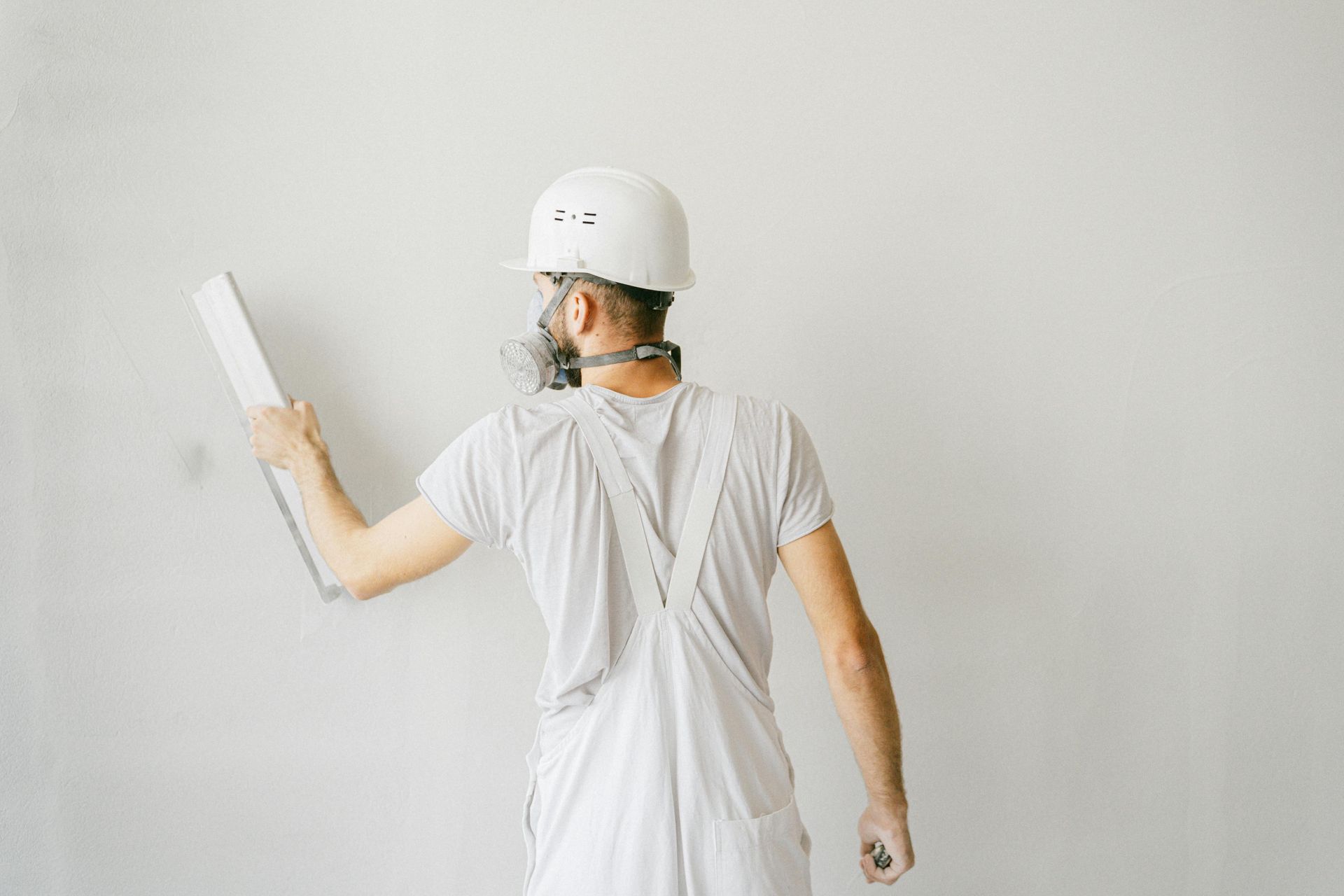
- Full personal protective equipment
- Waste handling and removal equipment
Using the correct tools reduces mess, speeds up the process, and keeps the site safe.
Managing Dust, Debris, and Waste
Plaster removal produces a surprising amount of fine dust. Without proper containment, it spreads throughout the property and can cause health issues and extended clean-up time.
Professionals manage dust using sealed work areas, extraction systems, and safe disposal methods that comply with UK regulations.
Risks of Removing Plaster Walls Yourself
Many homeowners consider DIY plaster removal to save money, but the risks often outweigh the savings.
Common problems include:
- Damaging load-bearing structures
- Cutting through electrical cables or plumbing
- Exposure to asbestos in older properties
- Excessive dust contamination
- Unexpected repair costs
In older homes, asbestos may be present behind plaster walls. Disturbing it without proper testing and controls is dangerous and illegal.
How Much Does Plaster Wall Removal Cost?
The cost of plaster wall removal varies depending on several factors. These include the size of the wall, the type of plaster, the age of the building, and whether hazardous materials are present.
Other cost considerations include waste disposal, preparation for new finishes, and coordination with follow-on trades such as drylining or plastering.
While DIY removal may appear cheaper, mistakes often result in higher overall costs once repairs and delays are factored in.
Why Hire a Professional for Plaster Wall Removal?
Hiring experienced specialists ensures plaster walls are removed efficiently and safely. Professionals understand building structures, service layouts, and health and safety requirements.
Benefits include:
- Faster project timelines
- Reduced risk of damage
- Clean, controlled workspaces
- Compliance with safety regulations
- Seamless preparation for drylining or re-plastering
This approach is especially valuable on larger renovation or commercial projects.
Plaster Wall Removal and Drylining Services from AR Drylining
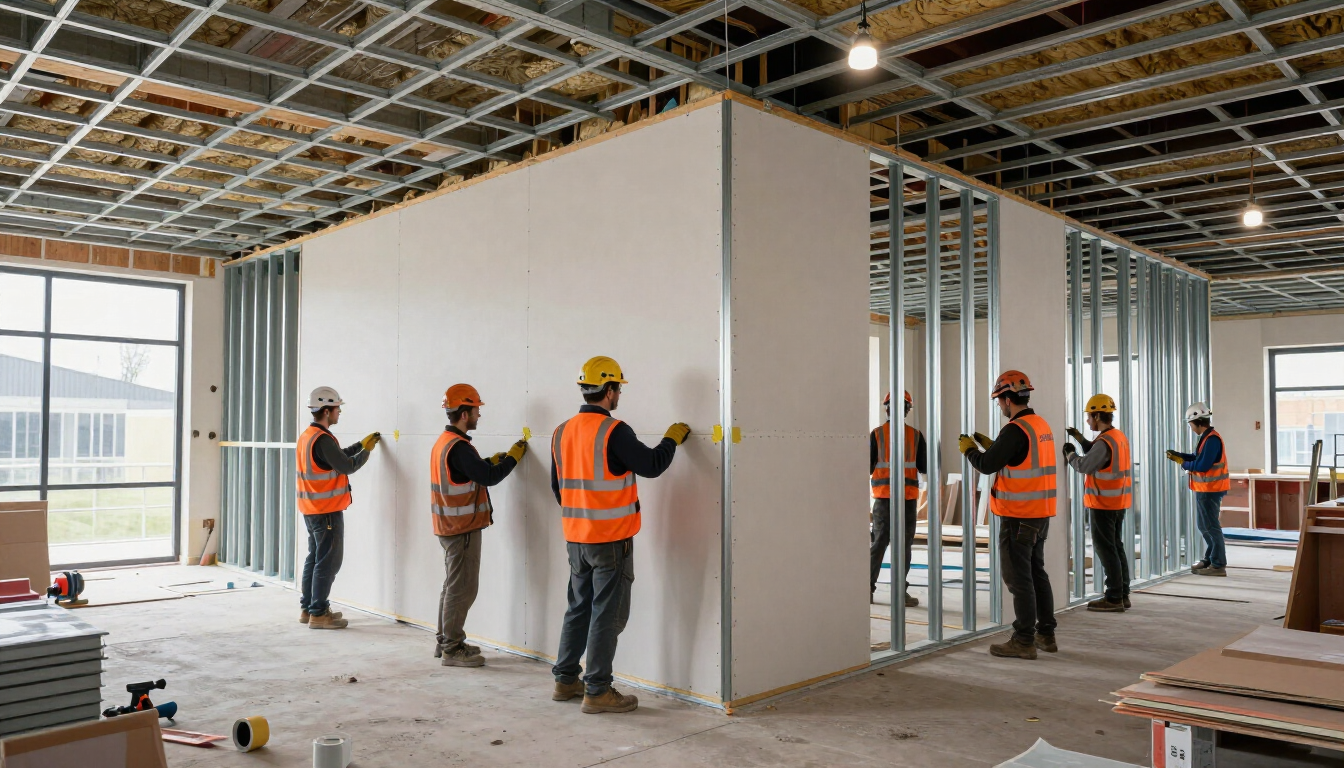
AR Drylining provides professional plaster wall removal as part of a complete interior renovation and drylining service. With extensive experience across residential and commercial projects, the team handles everything from initial strip-out to preparing walls for new finishes.
Services include full plaster removal, safe waste disposal, and seamless transition into drylining installation. This ensures projects move forward smoothly without unnecessary delays.
Working with AR Drylining means your property is left clean, safe, and ready for the next stage of refurbishment.
Conclusion: Get Plaster Wall Removal Done Properly
Knowing how to remove plaster walls safely is essential when planning a renovation. While it may look straightforward, the risks involved make professional support the smarter choice in most cases.
If you are planning refurbishment work and need plaster walls removed efficiently and safely, speak to
AR Drylining today.
Contact AR Drylining to discuss your project and arrange a professional plaster wall removal service that keeps your renovation on track.