
Commercial Ceilings Made Simple: Costs, Options and Fast-Track Installation Tips
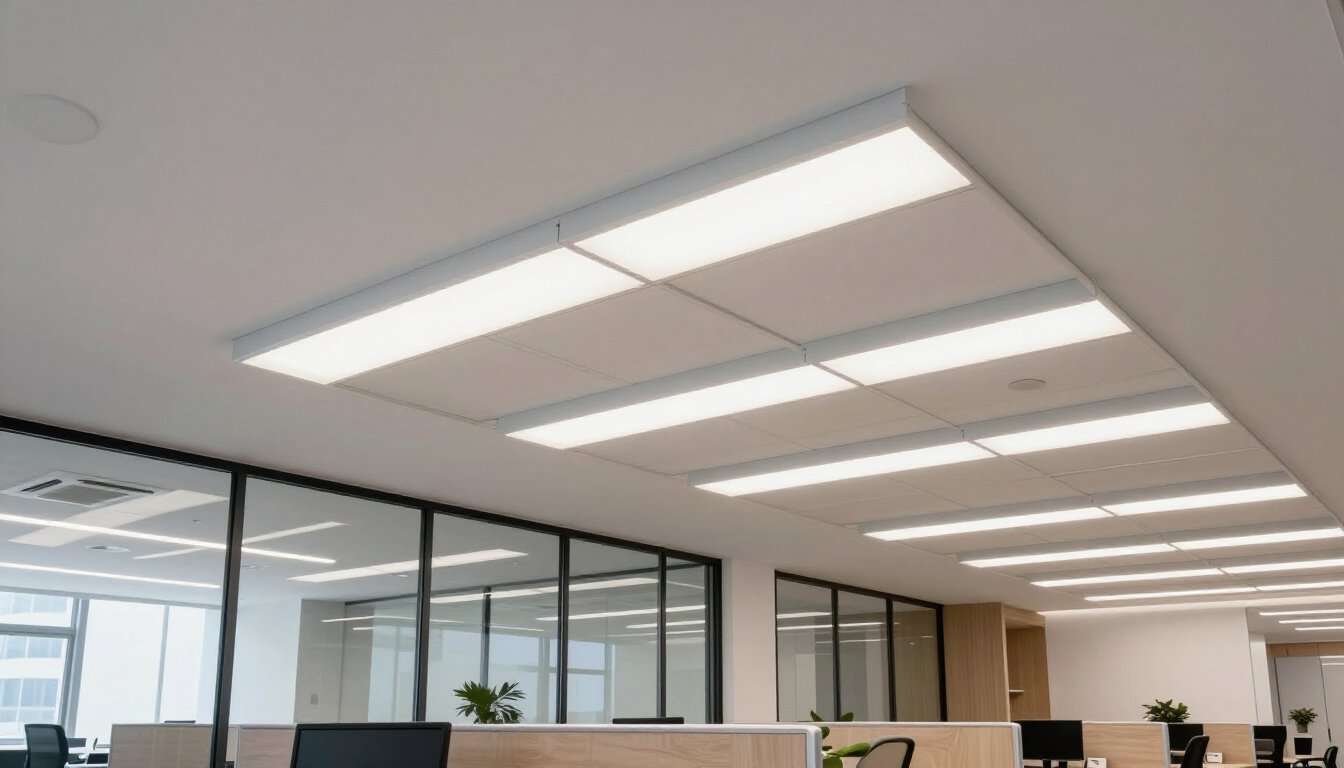
Commercial ceilings do far more than cover a structure overhead. They improve acoustics, support fire protection, conceal services and help shape the overall look and feel of a space.
Yet on many commercial projects, ceilings are left until late in the programme. When coordination happens too late, costs rise, delays appear and avoidable rework follows.
This guide explains the most common commercial ceiling systems used across UK fit-out projects, realistic installation cost ranges and the planning decisions that keep programmes moving efficiently.
Whether you are a QS, project manager or site manager, here is what you need to know before your next ceiling package starts on site.
The Main Types of Commercial Ceiling Systems
Most commercial projects use one or a combination of the following ceiling systems.
MF Plasterboard Ceilings
MF ceilings use a suspended metal frame finished with plasterboard.
They are commonly used for:
- Flat ceilings
- Curved ceilings
- Bulkheads
- Light troughs
- Coffers
- Feature details
MF systems work particularly well where fire resistance, acoustic separation or airtightness are important.
They also allow cleaner integration around lighting, services and architectural detailing.
Lay-In Grid Suspended Ceilings
Lay-in grid ceilings use exposed T-grid systems with removable tiles.
These systems are widely used in:
- Offices
- Schools
- Retail back-of-house areas
- Healthcare spaces
- Commercial corridors
Their biggest advantage is accessibility. Tiles can be lifted easily for maintenance access to services above.
Tile finishes range from standard mineral fibre to higher-spec metal and timber-look systems.
Acoustic Rafts and Baffles
Acoustic rafts and baffles are suspended independently below the soffit.
They help reduce reverberation in spaces with exposed ceilings, such as:
- Open-plan offices
- Receptions
- Hospitality venues
- Collaboration areas
These systems improve speech clarity while keeping services visible.
Feature Bulkheads and Ceiling Details
Feature ceiling details are often constructed using MF framing and plasterboard.
Examples include:
- Floating ceiling rafts
- Curved bulkheads
- Coffers
- Lighting troughs
- Feature perimeter details
These are especially popular in retail, hospitality and reception spaces where aesthetics matter.
Typical Commercial Ceiling Costs in the UK
Ceiling prices vary depending on specification, ceiling height, acoustic performance and site complexity.
The following are broad supply-and-install guidance ranges for UK commercial projects.
Suspended Grid Ceiling Costs
Standard lay-in grid ceilings with mineral fibre tiles typically range between:
£35 to £55 per m²
Higher-spec systems such as metal or hygiene-rated tiles increase costs.
MF Plasterboard Ceiling Costs
MF plasterboard ceilings generally range between:
£45 to £75 per m²
Costs increase where projects involve:
- Fire-rated build-ups
- Acoustic systems
- Curved details
- Multiple board layers
- Feature ceiling work
Complex feature ceilings can exceed these ranges.
Acoustic Rafts and Baffles
Typical guidance costs include:
- £120 to £220 per raft
- £80 to £140 per linear metre for baffles
Integrated lighting and designer finishes can significantly increase pricing.
Bulkheads and Feature Ceiling Details
Feature details are often priced individually or per linear metre.
Typical ranges fall between:
£60 to £150 per linear metre
depending on geometry, trims and board complexity.
What Drives Ceiling Costs and Delays?
Several factors influence both pricing and programme duration.
M&E Coordination
Mechanical and electrical coordination is one of the biggest programme risks on commercial ceiling projects.
Lighting, sprinkler heads, grilles and access panels should all be coordinated before ceiling installation begins.
A fully coordinated reflected ceiling plan (RCP) reduces:
- Clashes
- Rework
- Delays
- Ceiling patching
Deflection and Structural Movement
Buildings move over time, especially larger commercial structures.
Deflection heads and movement allowances are essential where ceilings meet partitions or structural elements.
Ignoring movement details often leads to cracking and remedial works later.
Site Access and Sequencing
Programme efficiency depends heavily on:
- Lift access
- Scaffold availability
- Service completion
- Slab readiness
- Zone management
Ceilings should only close once services have been pressure-tested and approved.
Fire and Acoustic Performance
Fire Protection Requirements
Correct board build-ups, hanger systems and penetrations are critical to achieving required fire ratings.
Attention should also be given to:
- Fire stopping
- Dampers
- Access panels
- Bulkhead continuity
Acoustic Performance
Acoustic requirements vary depending on the building type.
Typical considerations include:
- Sound reduction between offices
- Reverberation control
- Acoustic insulation within voids
- Perimeter sealing
Performance targets should always be agreed early in the design phase.
Access Panels and Service Coordination
Every service point requiring maintenance should be identified before installation begins.
This includes:
- Valves
- Dampers
- Drivers
- Junction boxes
- Mechanical access points
Poorly planned access panels often disrupt finished ceiling layouts.
How AR Drylining Delivers Commercial Ceiling Projects
AR Drylining delivers commercial ceiling packages across the UK with a strong focus on planning, coordination and site leadership.
Each project is managed by a dedicated full-time foreman responsible for:
- Ceiling set-out
- Trade coordination
- Manufacturer compliance
- Programme management
- Quality control
Senior management remain actively involved throughout delivery to ensure work stays on schedule and compliant.
In addition to ceilings, AR Drylining also provides:
- Partitions
- Drylining
- SFS systems
- Plastering
- Tape and jointing
- Commercial fit-outs
Learn more about commercial fit-out services here:
Explore wider drylining services here:
Fast-Track Installation Tips for Commercial Projects
A few early decisions can dramatically improve installation speed and reduce programme risk.
Lock the RCP Early
Finalise:
- Lighting positions
- Sprinkler layouts
- Detectors
- Diffusers
- Access zones
before installation begins.
Programme in Zones
Zone-by-zone sequencing allows:
- Faster inspections
- Better coordination
- Reduced ceiling reopening
- Easier snagging control
Standardise Access Panels and Trims
Using consistent panel sizes and trim types simplifies ordering and installation.
Use Mock-Ups Before Full Rollout
A single approved mock-up helps teams confirm:
- Jointing quality
- Finishes
- Access panel positioning
- Lighting integration
before scaling across the project.
Protect Finished Ceilings Early
Minor damage after handover often creates unnecessary remedial costs.
Protection should be installed as soon as ceilings are completed.
Typical Commercial Ceiling Programmes
Small Retail Unit Example
For a retail unit around 150 m²:
- Grid ceilings typically take 5 to 7 working days
- Feature MF bulkheads may add 2 to 3 days
- Decoration and M&E final fix follow afterwards
Multi-Floor Office Example
For a three-floor office project with mixed ceiling systems:
- Approximately 3 to 4 weeks per floor
- Rolling programmes allow overlap between floors
- Strong zoning significantly improves efficiency
Value Engineering Without Sacrificing Performance
Value engineering works best when decisions happen early.
Lower-Cost Ceiling Alternatives
Where service access is important, suspended grid ceilings are often the most economical solution.
MF ceilings with tape and jointing can also reduce costs compared with traditional wet plaster systems.
Repair or Full Replacement?
If more than 20% to 30% of a ceiling requires repair, full replacement is often cleaner, faster and more cost-effective.
Drywall vs Ceiling Tiles
Standard mineral fibre ceiling tiles generally remain the cheapest and fastest option for many commercial environments.
MF plasterboard ceilings usually offer a more premium appearance but may cost more depending on specification.
FAQ
How much do commercial plasterboard ceilings cost in the UK?
MF plasterboard ceilings typically range between £45 and £75 per m² depending on fire rating, acoustic requirements and ceiling features.
What is the cheapest commercial ceiling option?
Suspended T-grid ceilings with standard mineral fibre tiles are usually the most cost-effective commercial ceiling system.
Are suspended ceilings quicker to install than MF ceilings?
In most cases, yes. Grid ceilings are generally faster to install and easier to coordinate around services.
How long does a commercial ceiling installation take?
Programme length depends on ceiling type, floor area, height and M&E coordination. Small retail ceilings may take days, while multi-floor office projects can take several weeks.
When should ceiling contractors be involved in a project?
Ideally during early coordination and reflected ceiling plan development. Early involvement helps reduce clashes and programme delays.
Planning Your Next Commercial Ceiling Project
Commercial ceilings influence fire performance, acoustics, service coordination and the overall appearance of a finished space.
Choosing the right system early and coordinating properly with M&E trades can prevent costly delays and rework later in the programme.
AR Drylining delivers commercial ceiling and drylining packages across the UK with experienced site leadership, coordinated installation and manufacturer-backed systems.
Or contact the team directly to arrange a consultation and project review.