
Drylining vs. Wet Plaster: Which Is Best for Your Project?
One of the earliest decisions to be made on any project is whether to choose drylining or traditional wet plaster. Selecting the right option will help keep your project on schedule, ensure trades perform coordinated work, and allow your project to be completed on time. Selecting the wrong option, however, can result in project delays due to plaster drying, snagging, and costly rework.
This guide provides a helpful side-by-side comparison of traditional wet plaster and drylining for fit-out teams, developers, and contractors working in the UK. We describe the advantages and disadvantages of each, and explore the value proposition offered by AR Drylining.
What Are Drylining and Wet Plaster?
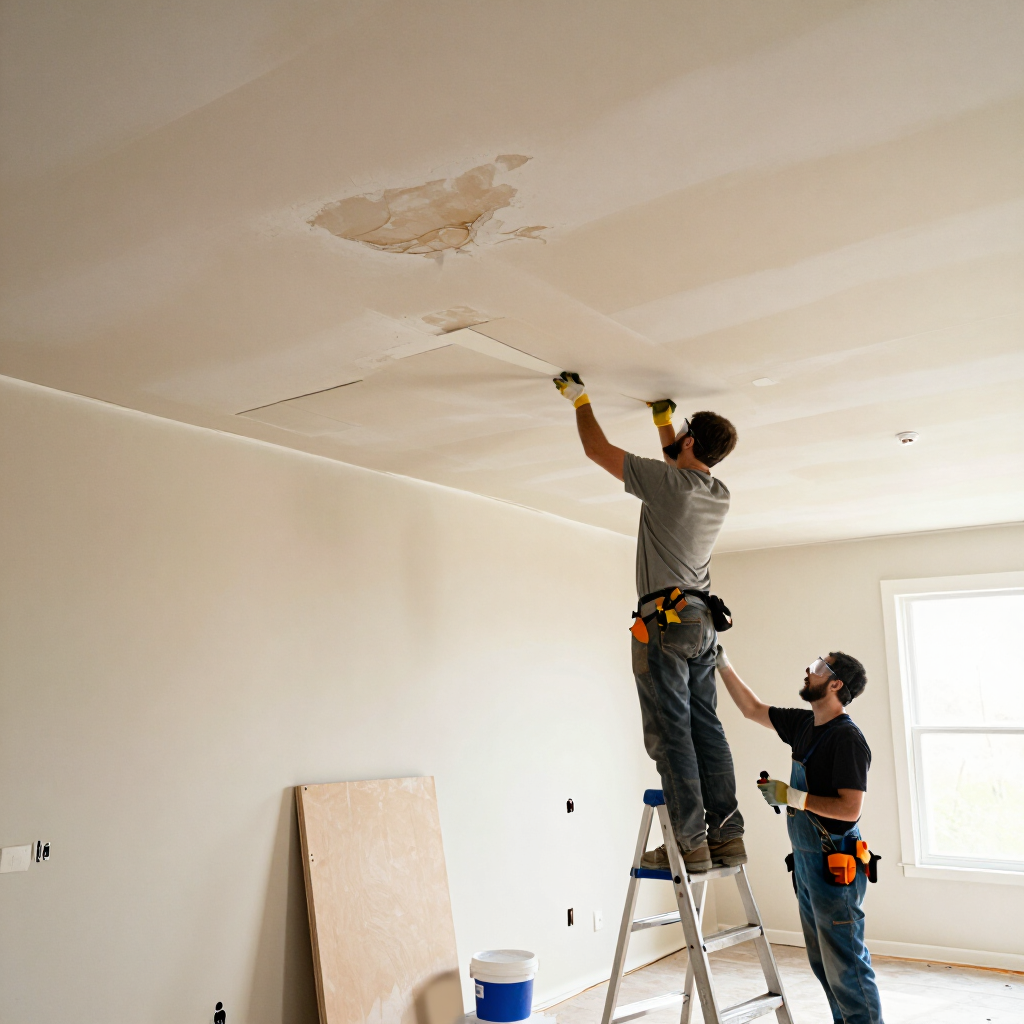
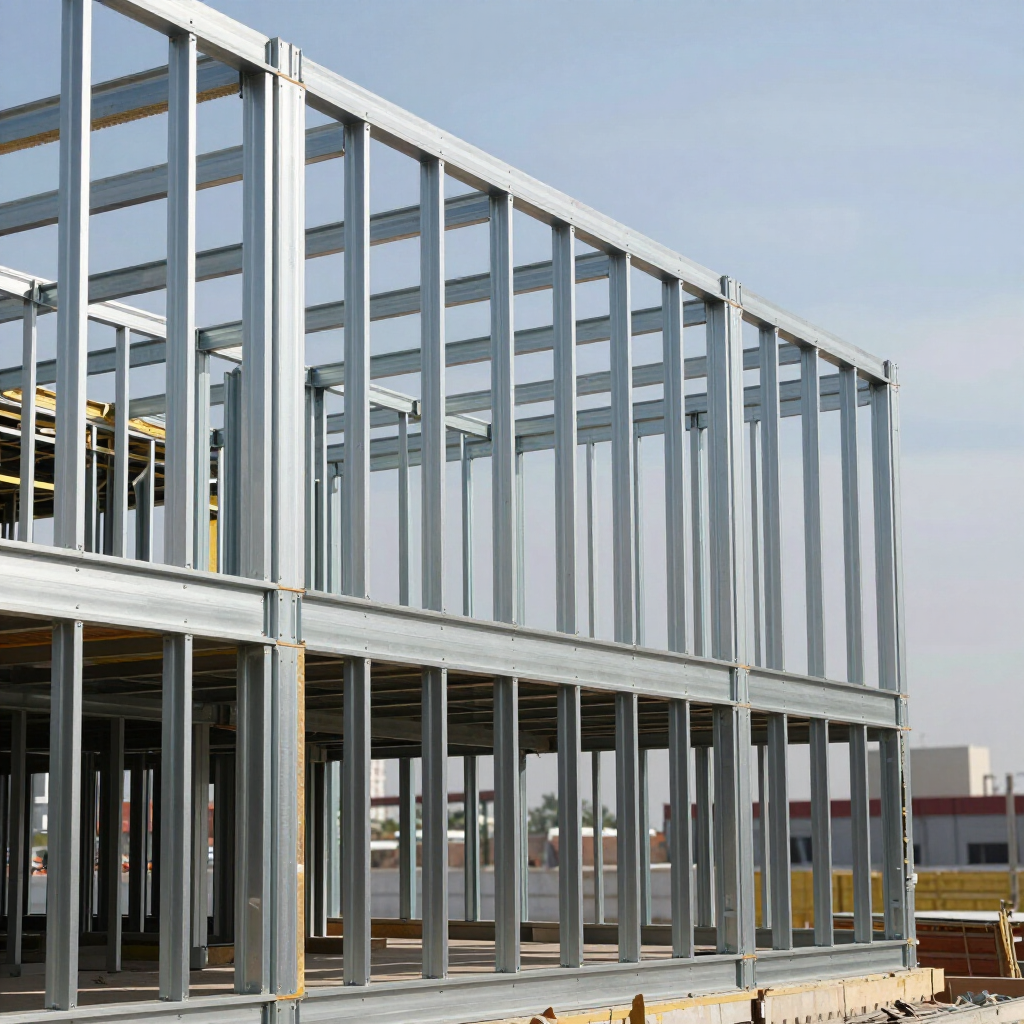
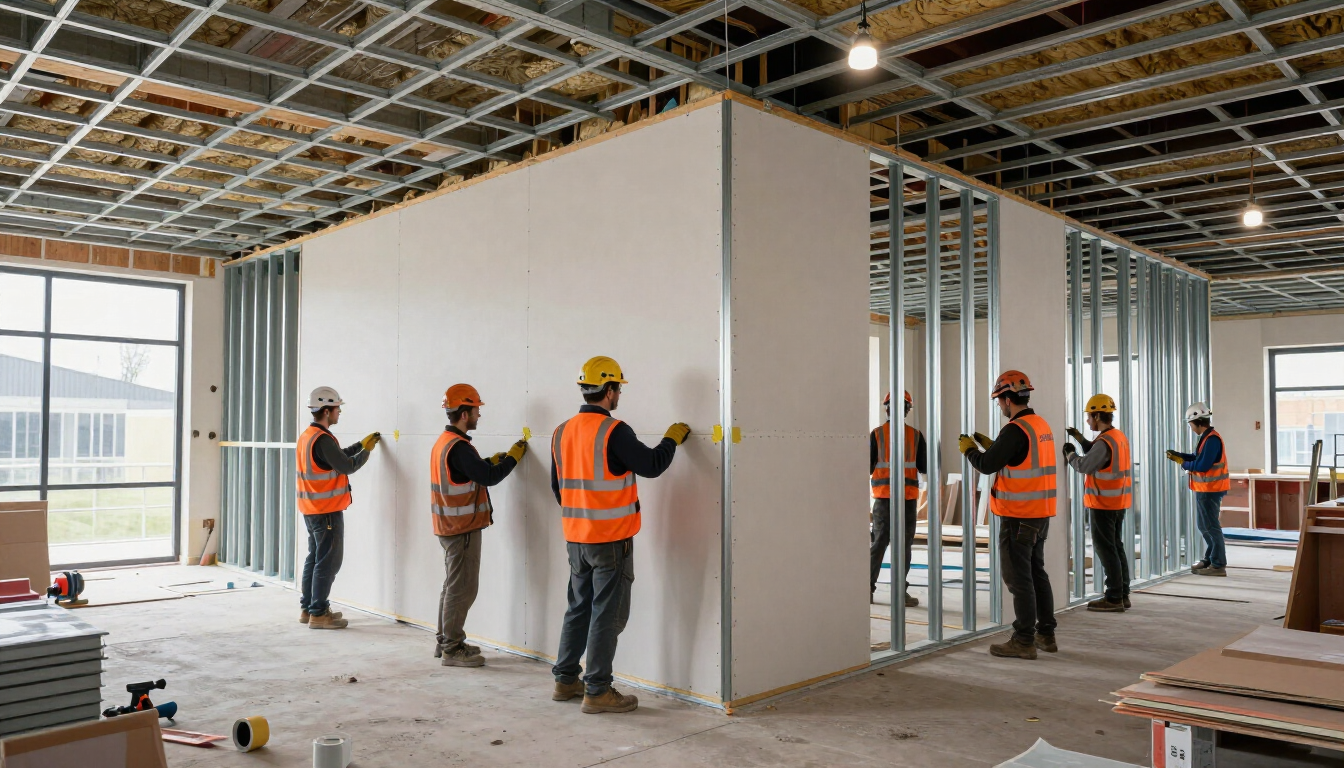
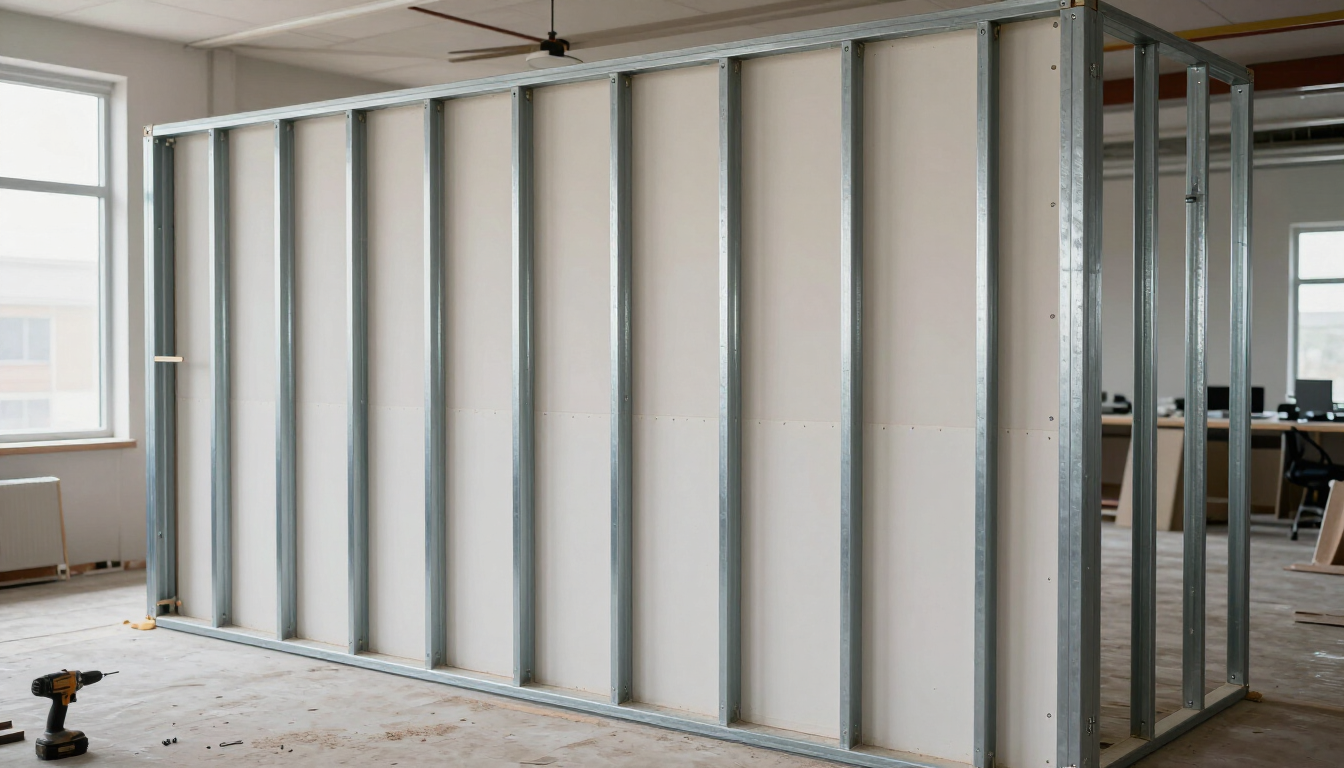
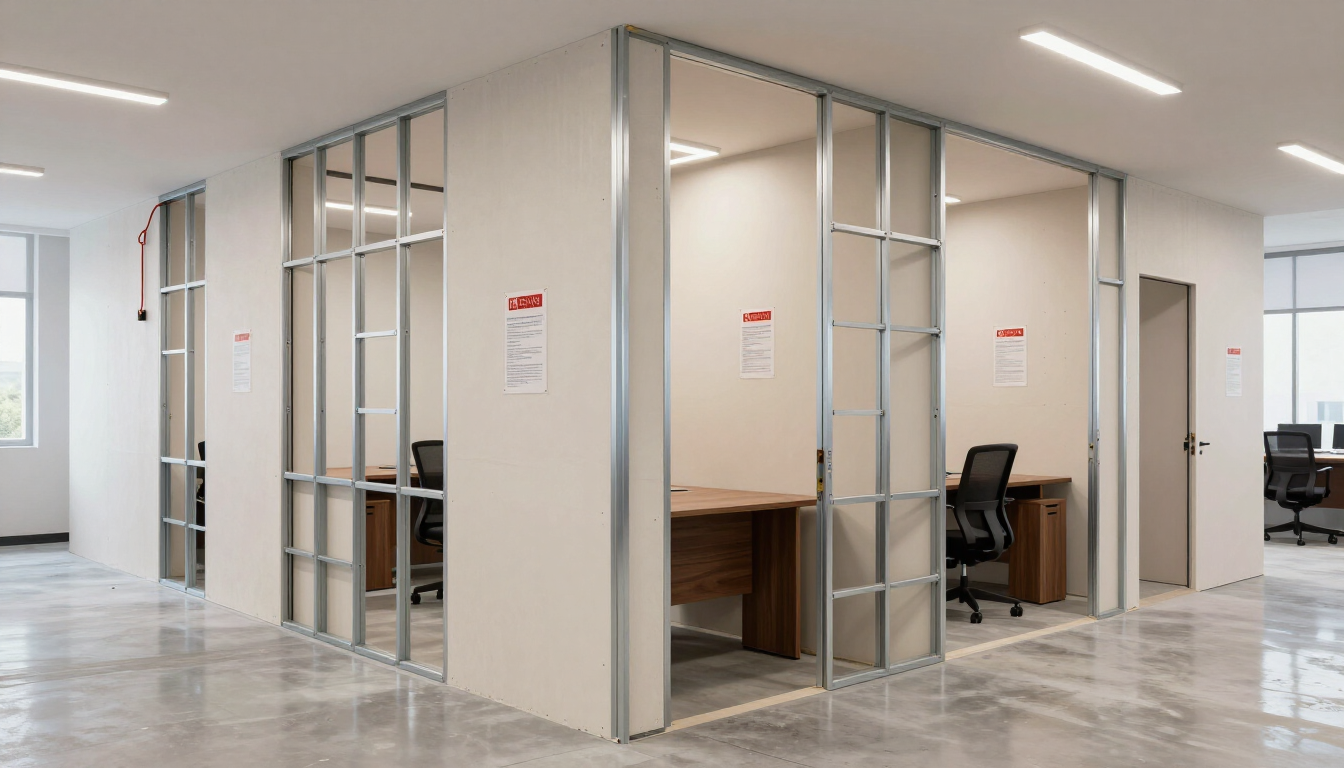
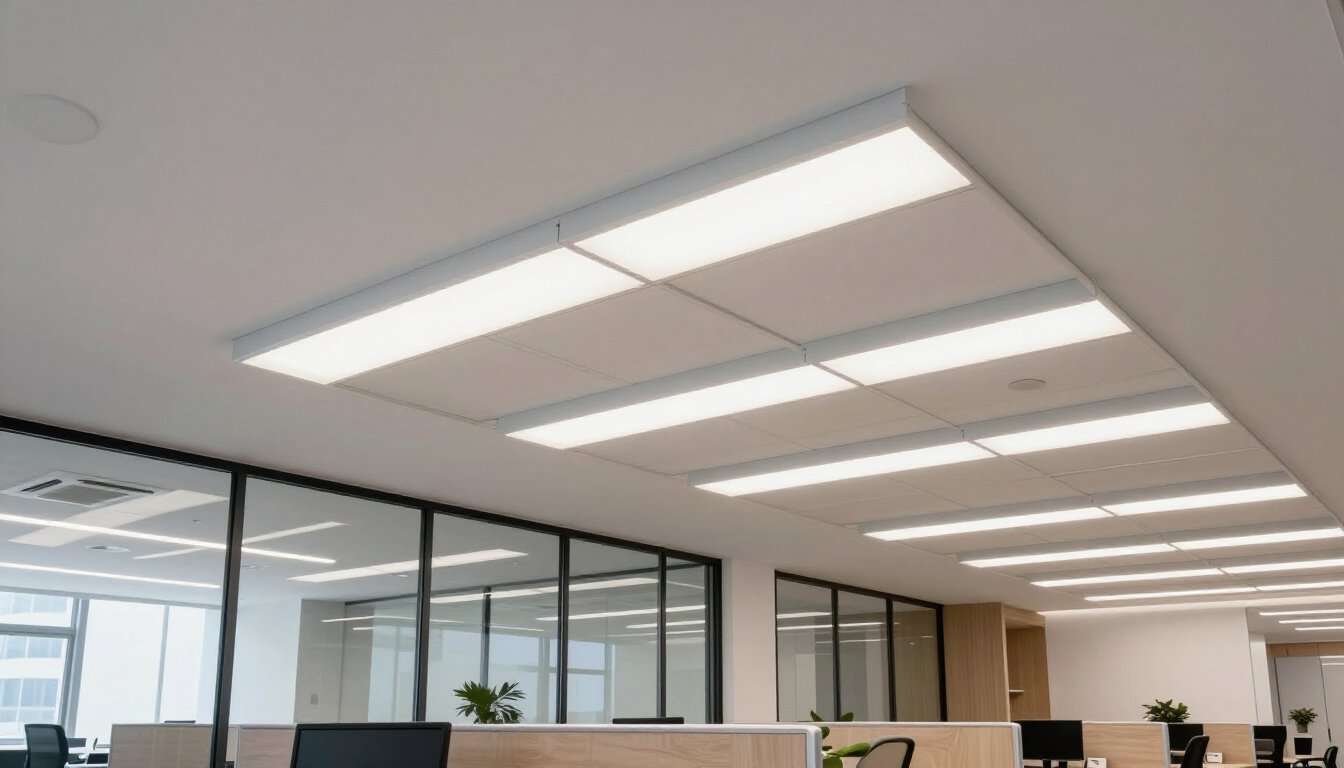
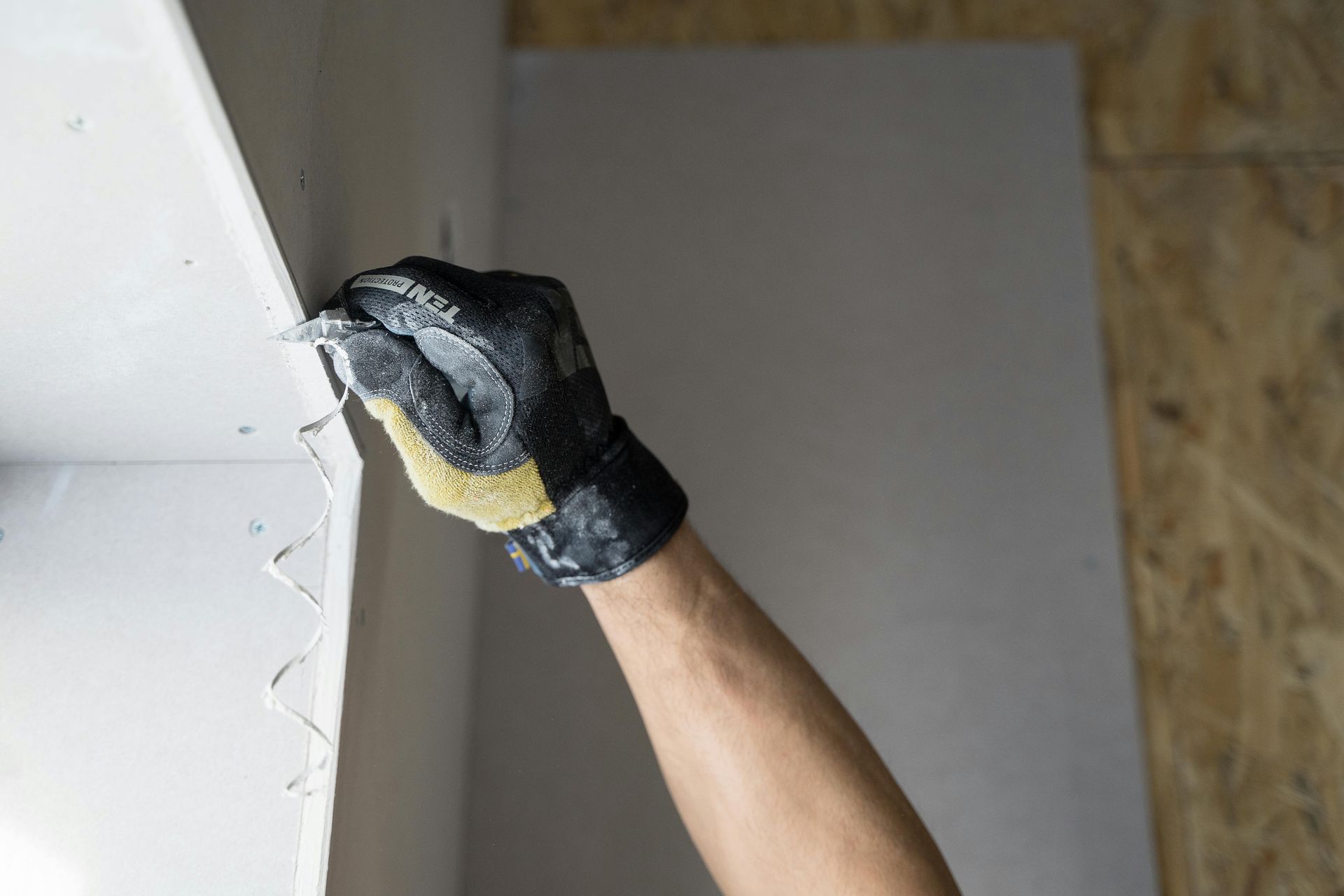
Drylining involves the application of plasterboard to timber or metal studs, or to masonry. This is then finished with taping and jointing, or a skim coat. Examples of these systems include MF ceilings and metal stud partitions.
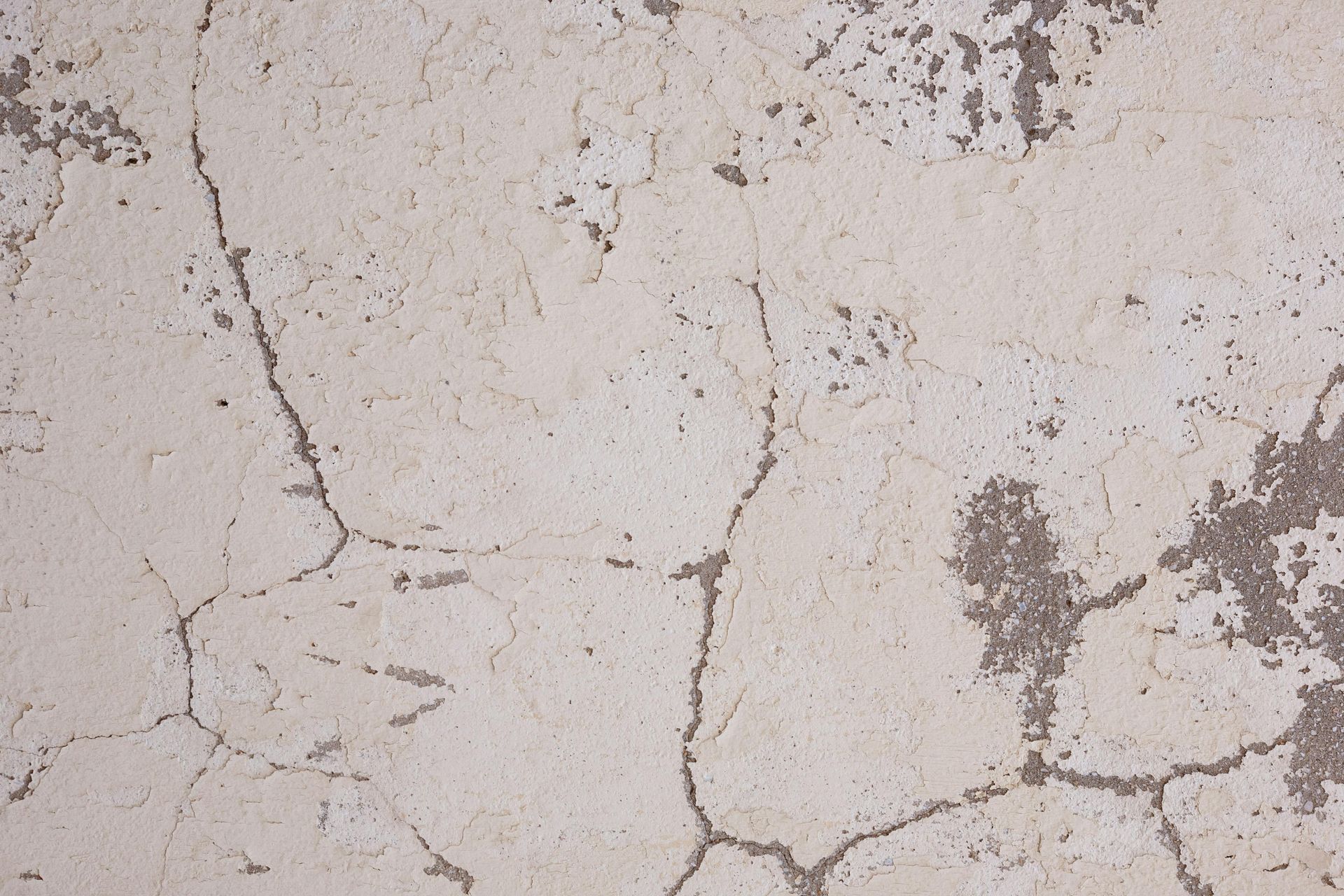
Wet plaster involves applying a one- or two-coat gypsum plaster to brick or block walls, which is then allowed to cure before decoration.
These two options can be traded interchangeably depending on your project's priorities, such as speed, coordination, and risk. Drylining and wet plaster systems can also be used together and complement each other effectively.
Drylining vs. Wet Plaster: An Overarching Comparison
Below is a summarised comparison of drylining and wet plaster systems as implemented on projects in the UK. Please note that this analysis is intended as a planning baseline rather than a contract price, and figures are subject to change according to project specifications, exposure conditions, and time of year.
Time on Site
Drylining can be completed much faster due to the ability to work across multiple zones simultaneously. Rooms or bays can be boarded and first-fix ready in as little as a couple of days. Wet plaster application is slower, and work must be paused to allow the material to fully cure before proceeding.
Drying Times
Drylining requires significantly less drying time. Tape and joints can cure within hours or a couple of days. Skimmed boards are ready to paint in as little as one day, or up to three days depending on drying conditions. Wet plaster can take one to three weeks to fully dry, and that timeframe can extend further in cold or damp conditions.
Defects and Snags
Drylining boards are factory-manufactured to be more consistent and flat. This means joints require skilled finishing to ensure there are no gaps or shrinkage cracks. Wet plaster finishes can be of very high quality; however, a higher moisture load can lead to inconsistency if the substrate is not stable and if the curing process is not properly managed.
Acoustic and Fire Performance
With drylining, system-led performance is prioritised. Multi-layered boards combined with insulation and resilient bars can achieve certified dB and fire ratings when installation details are followed as specified by the manufacturer. Wet plaster's good surface hardness can contribute to the sound insulation and fire ratings of a wall assembly, though performance is less predictable.
Sustainability
Drylining systems use less site moisture and therefore require less drying energy, while boards and metal framing offer a higher level of recyclability. Waste from drylining systems can be managed more easily with proper planning. Wet plaster's initial resource use can be higher; however, a well-executed wet plaster finish is designed to last for a longer period.
Cost per m²: Planning Estimates
When considering cost efficiencies at an assembly level, drylining has an edge due to its speed, reduced wet-trade activity, and off-site manufacturing. Basic drylining with tape and joint starts at around £10 per m², with acoustic and fire-rated build-ups scaling accordingly.
Wet plaster applied to masonry is typically more cost-competitive in simple, open areas with fewer trades on site. Two-coat systems and high-specification finishes cost more than a basic skim-on-board approach.
AR Drylining offers both supply-and-install and labour-only options, with value-engineered solutions that reduce cost while maintaining performance.
Programme Impact Across Common UK Scenarios
Cat A and Cat B Offices
Drylining supports the segmentation of pre- and post-service works. Fast drylining systems enable the installation of partitions, coordination of services, and fitting of acoustic ceilings and wall finishes that facilitate rapid painting. The fire compartment and acoustic performance of drylining in meeting rooms is well documented and proven. In refurbishment projects, finish plastering is sometimes used alongside drylining to close the trade sequence and provide a flat, smooth surface with slightly greater durability.
Student Residential and Build-to-Rent
The repetitive nature of tasks, speed of execution, and predictability of finish quality make drylining ideal for this sector. Standard bathroom pod and corridor walls are typically constructed using metal stud and board systems with acoustic insulation and robust detailing at door openings. Clay-core plastering may be used; however, it can extend the critical path if the drying process is not carefully scheduled.
Retail Roll-Outs and Refreshes
Drylining delivers considerable benefits in terms of construction pace, compatibility with night works, and handover timelines. Integration of bulkheads, rafts, and grid ceilings with M&E and signage is also well-suited to a time-sensitive, low-moisture-risk environment. Wet plaster is generally not preferred in retail settings due to time and moisture risks near finished surfaces. That said, wet plaster can offer flexibility for complex retail fit-outs in back-of-house areas where programme certainty matters more than competitive m² rates.
Conversions and Heritage Shells
The variety of substrates, their tolerances, and variations in masonry create a significant number of unknowns that must be managed pragmatically on site. Drylining can be used to create straight, insulated walls, conceal services, and meet fire strategy requirements without a heavy reliance on wet trades. Plaster can be an appropriate finish in listed buildings where a breathable or traditional finish is required. Expect longer programmes and a high degree of planning and sequencing in these environments.
Does Drylining Cost Less Than Plastering?
In many cases, yes — at the package level. One of the biggest advantages of drylining is speed, earlier handover, and reduced reliance on drying time. At first glance, skim-on-board may appear more expensive than a basic wet skim; however, once you account for the cost of preliminaries, dehumidification, trades on hold, re-sequencing, and overtime, drylining typically presents a more cost-effective solution. This holds true for commercial, retail, and multi-residential projects alike.
How Much Does Drylining Cost?
Drylining pricing involves a number of variables, including: the type and number of boards, insulation specification, acoustic or fire rating requirements, the level of finish (tape and joint or skim), ceiling height and finish quality, access conditions, the complexity of corners, boxing and service penetrations, logistics, project location, waste removal, and any quality control requirements.
As a rough planning estimate, simple room linings with tape and jointing typically start at around £10 per m². High-performance build-ups cost considerably more. Share your drawings and scope with AR Drylining and we will be happy to provide a packaged price or a labour-only rate, along with value-engineered alternatives that preserve performance while minimising material quantities.
Do Plasterers Install Drywall?
Yes, many do. In the UK, plastering and drylining are overlapping trades. Teams such as AR Drylining carry out metal stud partitions, MF and grid ceilings, boarding, SFS, tape and jointing, and plastering. Installations are completed by manufacturer-trained operatives, ensuring that system performance — both fire and acoustic — is achieved and documented in every case.
Disadvantages of Drylining
- Finishing skill is essential to avoid visible defects under raking light; quality checks should be performed under balanced lighting conditions.
- Standard boards offer less impact resistance than dense plasters. In high-traffic zones, impact-rated boards or sacrificial layers should be specified from the outset.
- Fixing loads require planning — pattressing or appropriate anchors are needed, though good design coordination will address this.
- In moisture-prone areas, moisture-resistant boards and appropriate detailing must be used to prevent degradation over time.
When a drylining system is correctly specified and installed by the right trade, it becomes not only cost-effective but highly manageable — which is why drylining is the preferred choice across commercial and residential construction throughout the UK.
Where AR Drylining Provides Confidence
A full-time foreman on site throughout the contract, regular senior management visits, and close relationships with suppliers mean sequences are kept tight and risk is kept low across the programme. Our manufacturer-trained teams ensure the correct board, fixings, sealants, and details are used in every installation — so acoustic and fire performance is achieved without the need for costly rectification later.
We work with clients to balance cost and programme while protecting performance, and we offer flexible delivery across the UK on both supply-and-install and labour-only bases, spanning offices, retail, residential, and education projects.
Our full range of services covers partitions, ceilings, and SFS, with seamless integration into commercial fit-out programmes. You can also view completed projects on our portfolio page.
FAQs About Drylining
Is drylining cheaper than plastering?
Very often, yes — though this can vary depending on the programme and preliminary costs. Drylining removes drying delays, which allows other trades to proceed collaboratively earlier, and it tends to result in a lower total cost on commercial, retail, and multi-residential projects.
How much does it cost to dryline a room?
Simple rooms are often quoted in the range of tens of pounds per m², with acoustic or fire-rated build-ups priced higher. Share your drawings with us and we will be happy to provide firm package or labour-only pricing, along with value engineering options.
Do plasterers install drywall?
Yes. Many UK plasterers are also trained dryliners. AR Drylining offers all three — boarding, tape and joint, and traditional plastering — eliminating handover risk between separate subcontractors.
When is wet plaster the better choice?
Wet plaster suits projects that require a breathable or traditional finish, such as listed buildings. It also works well for smaller residential projects where time constraints are not as strict and the substrate is clean and even.
Next Steps
For projects where speed and low risk are priorities, drylining is highly recommended for student residential, commercial, retail, and most conversion-type projects. Heritage detailing and hard-wearing finishes may still warrant the use of wet plaster. Drylining systems offer greater flexibility, faster drying, and better schedule predictability.
If you would like a price for drylining — including value-engineered options based on your own design — we offer competitive packages with on-site management throughout. We operate across the whole of the UK.
Contact our team today:
- Kieran: 07540 422309
- Brad: 07960 659911
- Email: info@ar-drylining.co.uk