
How to Cover Up a Water Stain on the Ceiling: A Simple Guide by AR Drylining
Water stains on the ceiling are a common yet frustrating issue that many homeowners face. Whether caused by a leaky roof, burst pipes, or poor ventilation, these stains can mar the appearance of your home and make it feel less inviting.
While some stains are superficial, others can indicate more significant problems, like water damage or structural issues. In this guide, we’ll walk you through simple DIY methods to cover up a water stain on the ceiling, as well as explain when it’s time to call in the professionals for a permanent fix.
Understanding the Cause of Water Stains
Before attempting to cover up a water stain, it’s crucial to understand its cause. Water stains typically form due to a leak in the ceiling, which can stem from various sources:
- Roof Leaks: Water from a damaged roof can seep into your ceiling and cause staining.
- Plumbing Issues: Leaks from pipes or faulty plumbing systems can also result in water stains on the ceiling below.
- Condensation: Poor ventilation, especially in kitchens or bathrooms, can cause moisture to accumulate on ceilings, leading to stains.
It’s essential to pinpoint the source of the stain to prevent it from reappearing. If the issue is not fixed at the root, the water stain will continue to return, no matter how many times you cover it up.
DIY Methods for Covering Up Ceiling Stains
If you’ve discovered a water stain on your ceiling, there are several ways to address it, depending on its severity and the cause. Here are the key steps for fixing a ceiling stain:
Step 1: Clean the Stained Area
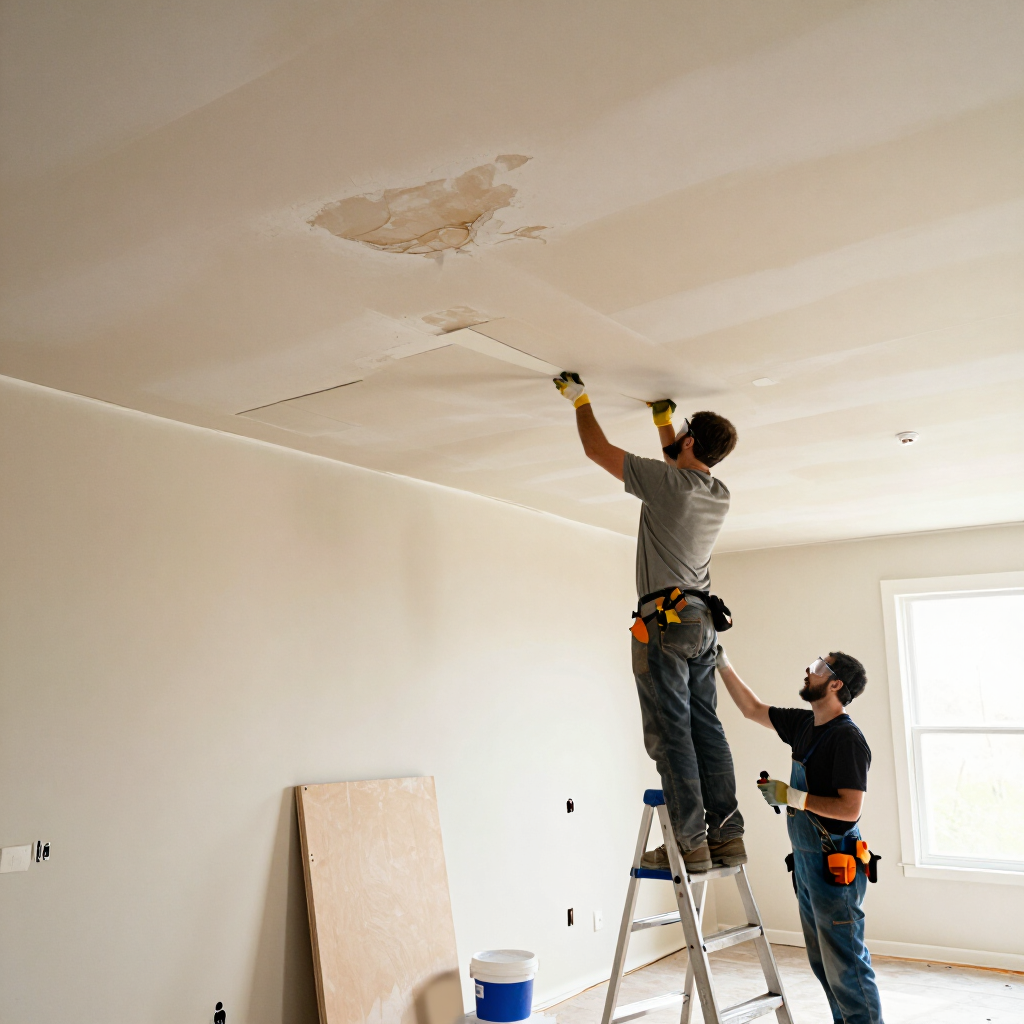
Before you begin repairing the ceiling, clean the stained area. Use a mild soap solution to remove any dirt or dust, and make sure the surface is dry before proceeding. If the stain is large or heavy, you may need to scrub it gently with a soft sponge.
Step 2: Apply Stain-Blocking Primer
Once the surface is dry, the next step is to apply a stain-blocking primer. This is crucial because water stains can bleed through paint, making them visible again after a fresh coat of paint. Stain-blocking primers are specifically designed to seal the stain and prevent it from showing through your new paint.
Use a paintbrush or roller to apply a thin, even coat of primer to the affected area. Allow it to dry completely before moving on to the next step.
Step 3: Repaint the Ceiling
After the primer has dried, you can repaint the ceiling. Choose a paint that matches the rest of the ceiling, or consider using a high-quality ceiling paint that is designed to withstand humidity and water stains. Apply a thin, even coat of paint over the primed area, and let it dry completely. You may need to apply a second coat to achieve the desired finish.
When to Call a Professional for Ceiling Repair
While DIY methods can work in many cases, some water stains indicate more serious damage. If you’re dealing with the following, it’s time to call in the professionals:
- Persistent Leaks: If the stain keeps coming back despite your best efforts, likely, the leak hasn’t been fully addressed.
- Extensive Damage: If the water stain is large or the ceiling has become soft or warped, the damage may require more than a simple cover-up.
- Unidentified Source: If you can’t pinpoint the source of the water stain or if the stain keeps spreading, it’s time to bring in an expert to identify and fix the underlying issue.
- Structural Concerns: If the water stain is affecting the structural integrity of your ceiling, such as causing it to sag or weaken, you will need professional repair services.
The Benefits of Drylining Services for Ceiling Repair
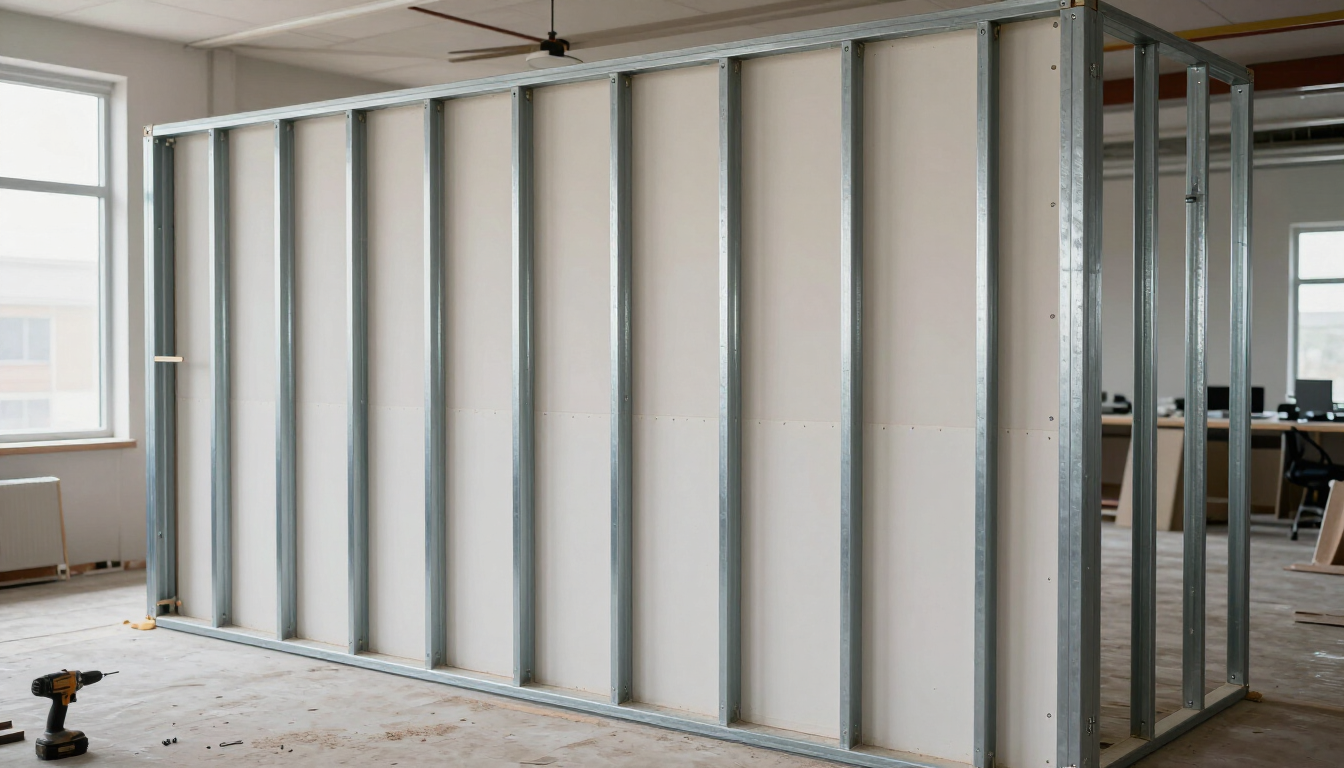
If you’re dealing with severe water damage or persistent leaks, drylining is an excellent solution for ceiling repair. Drylining involves installing plasterboard or drywall over the damaged areas to restore the ceiling’s strength and appearance. It’s an efficient and cost-effective way to replace sections of the ceiling that can’t be repaired with traditional methods.
At AR Drylining, we specialise in high-quality drylining services that provide a permanent fix for damaged ceilings. Our expert team ensures that your ceiling is properly restored, with smooth, seamless results that blend with the rest of your room. Drylining is ideal for ceilings with significant water damage, as it not only covers the stains but also reinforces the structure.
Conclusion: Don't Let Ceiling Stains Ruin Your Home
Water stains on your ceiling may seem like a minor issue, but they can signal more serious problems that require professional attention. If the stain is isolated and the cause is fixed, DIY methods like cleaning, priming, and repainting can be effective. However, for persistent stains or more severe damage, AR Drylining offers professional ceiling repair and drylining services to ensure a lasting solution.
📞 If you’re dealing with a water stain on your ceiling, contact AR Drylining today. Our expert team can help repair your ceiling and restore your home to its original beauty.
Helpful Resources