
Ceiling Repairs And Replacements: Fast, Clean And Compliant
A damaged ceiling rarely stays a small problem for long. A hairline crack widens, a water stain spreads, or a sagging section of plasterboard finally gives way, and what started as a cosmetic issue becomes a genuine safety concern. Getting repairs done properly the first time, by a team that understands both the construction and the compliance side of the job, saves considerable time and cost further down the line.
AR Drylining has spent over thirty years working on ceilings across commercial, residential and shop fit projects throughout the UK, and that experience shapes how every repair and replacement job is approached, from the first inspection through to the final finish.
Common Causes of Ceiling Damage
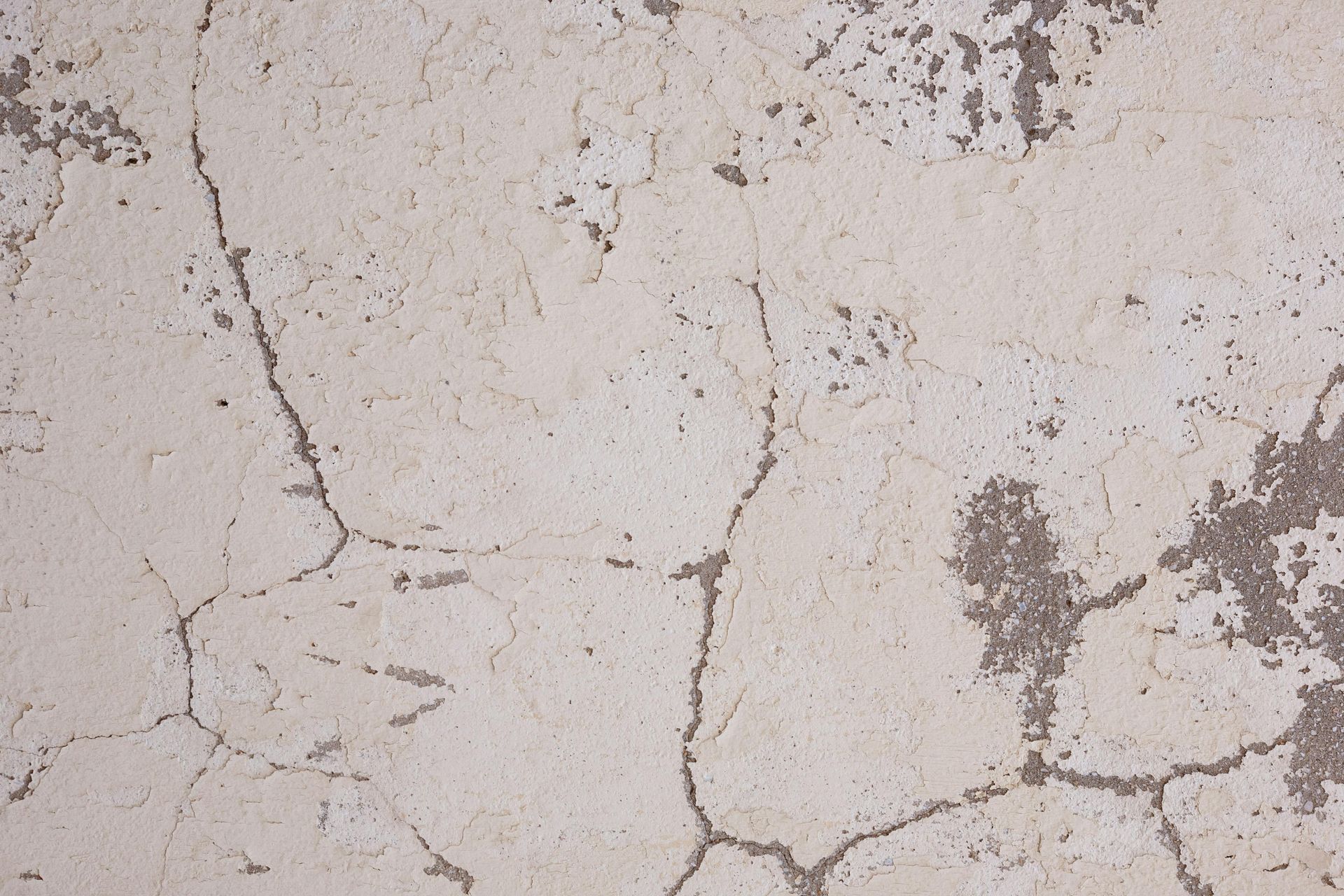
Ceilings typically fail due to a combination of environmental factors, structural stresses, and material degradation over time. Understanding these underlying issues is essential for determining whether a simple patch or a more extensive replacement is required.
- Water Ingress: Originating from hidden plumbing leaks, compromised roofing, or malfunctioning HVAC units, moisture leads to surface discolouration and deep structural rot.
- Material Fatigue: Ageing plasterboard in older properties often suffers from natural degradation, resulting in noticeable sagging or sudden structural failure.
- Historic Fit-outs: Previous alterations in commercial settings may have compromised the ceiling's integrity through poorly executed modifications.
- Overloading: Heavy installations like electrical cabling trays and HVAC ductwork can exceed the load-bearing capacity of existing frameworks, causing severe cracking.
Conducting a thorough root-cause diagnostic inspection prior to commencing any remedial work is vital. Simply patching over visual symptoms without resolving the structural or moisture-related root cause guarantees recurring failures and increased long-term repair costs.
Suspended, Acoustic and Decorative Ceilings
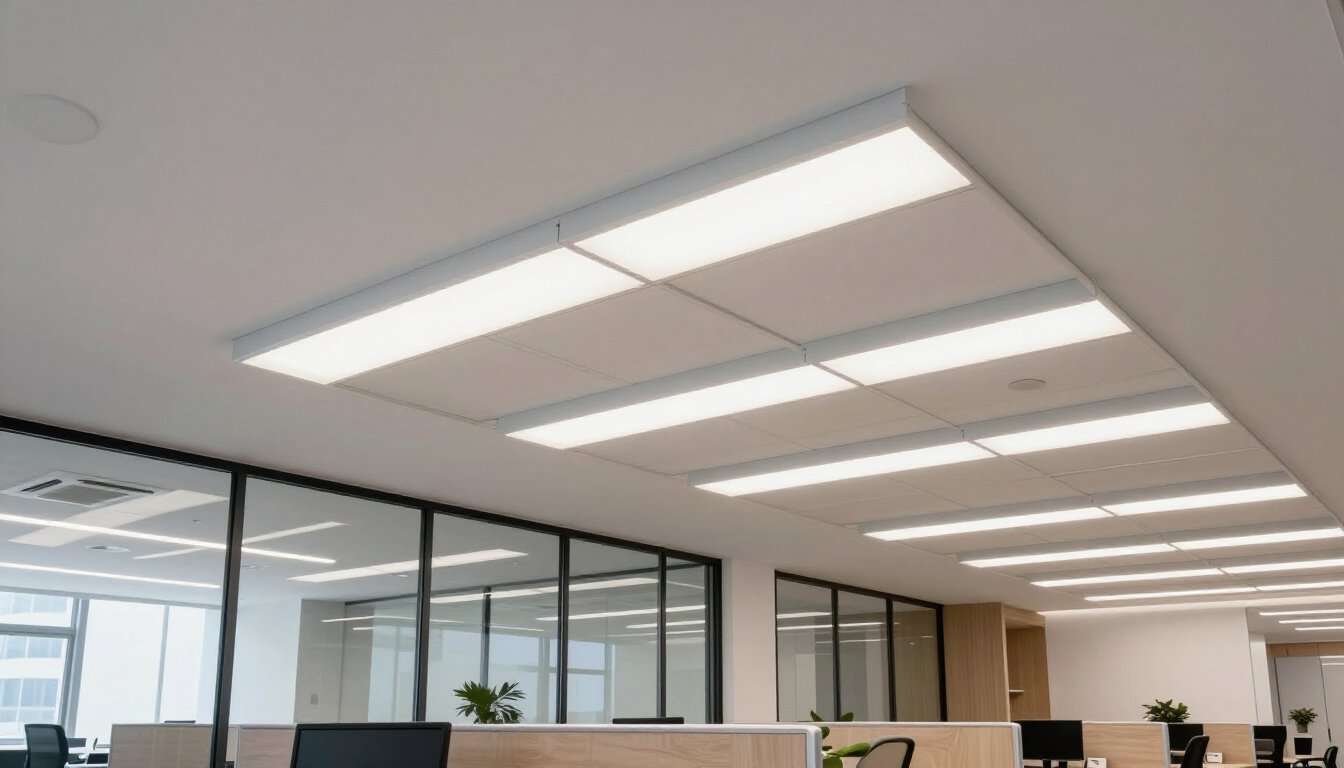
Not every ceiling repair is the same job. Suspended ceilings, common in offices and retail spaces, typically involve replacing damaged tiles or grid sections, while acoustic ceilings require careful attention to keep sound performance consistent across the repaired area. Decorative ceilings demand a closer match to existing finishes so that a repair does not stand out against the surrounding surface.
The ceilings and partitions team at AR Drylining works across all of these ceiling types, drawing on established relationships with leading manufacturers to source the right materials for each project rather than relying on a generic, one size fits all approach.
Why Compliance Matters as Much as Appearance
Beyond aesthetics, ceilings (especially in commercial and retail spaces) are vital structural elements essential for acoustic management and fire safety. Consequently, any restoration or replacement work must strictly comply with current building standards rather than merely providing a visually neat surface. Key details, such as installing fire-rated plasterboard tailored to the property's specific demands and ensuring comprehensive sealing around service penetrations, are critical safety measures.
Furthermore, guidance from the Health and Safety Executive underscores the necessity of evaluating legacy components—such as textured finishes and older ceiling tiles—prior to starting repairs. Because aging structures may harbor hazardous materials demanding specialized removal protocols, a qualified contractor will consistently conduct these assessments upfront.
A Clean, Minimally Disruptive Process
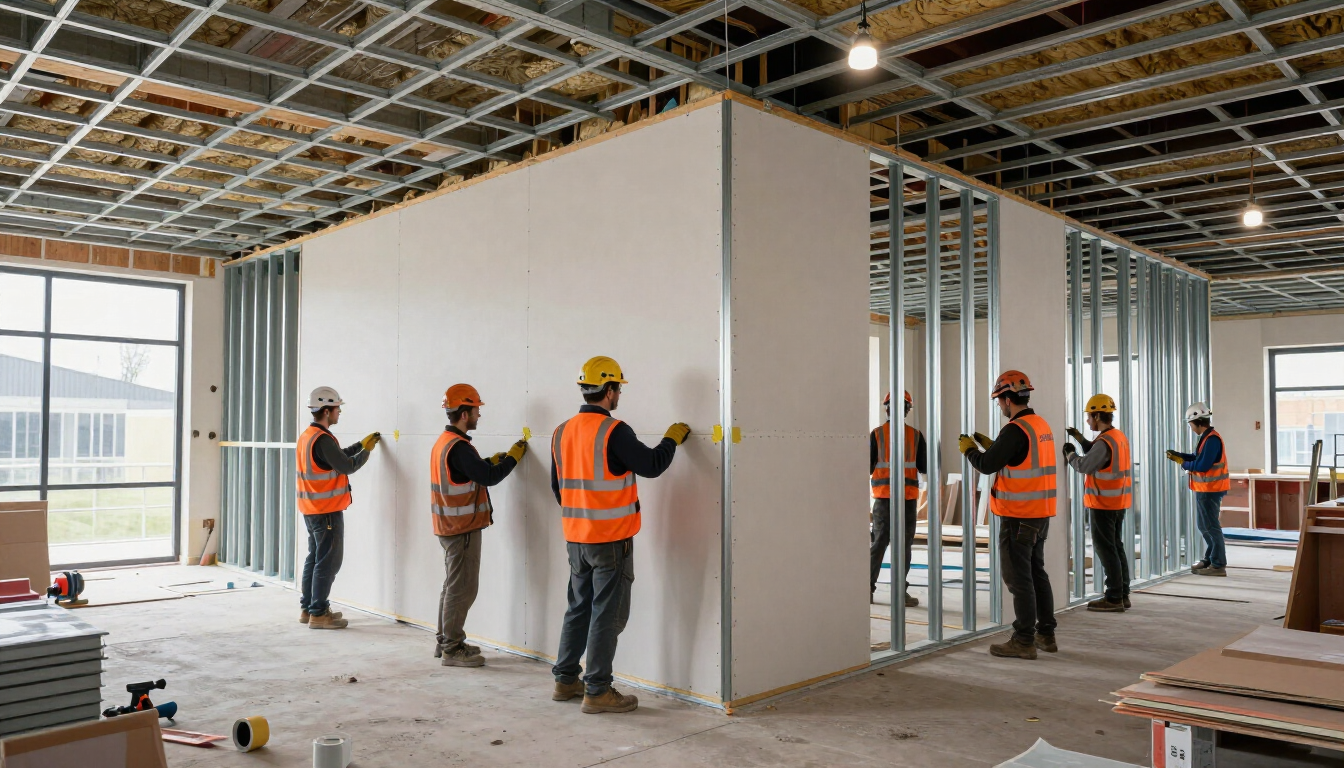
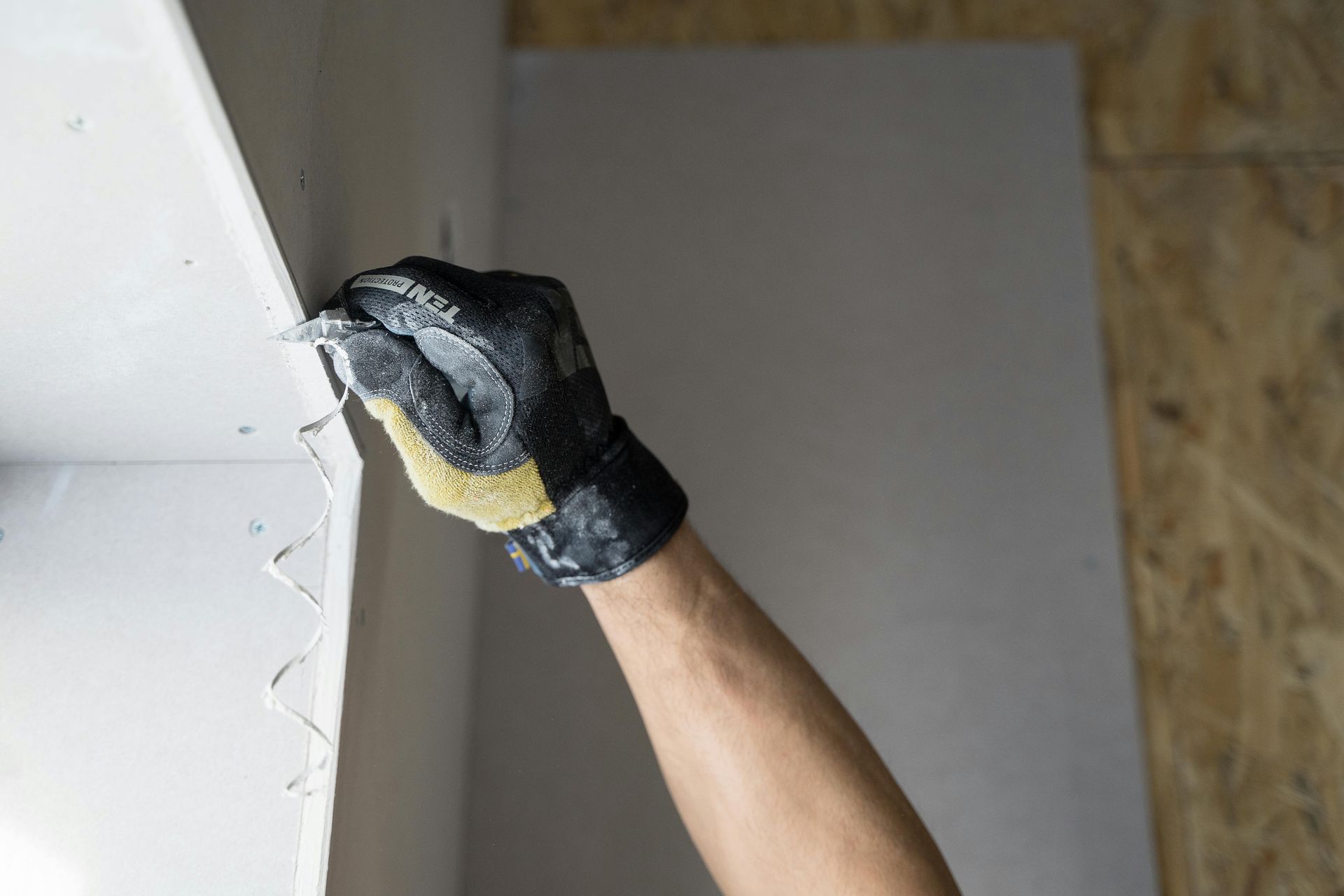
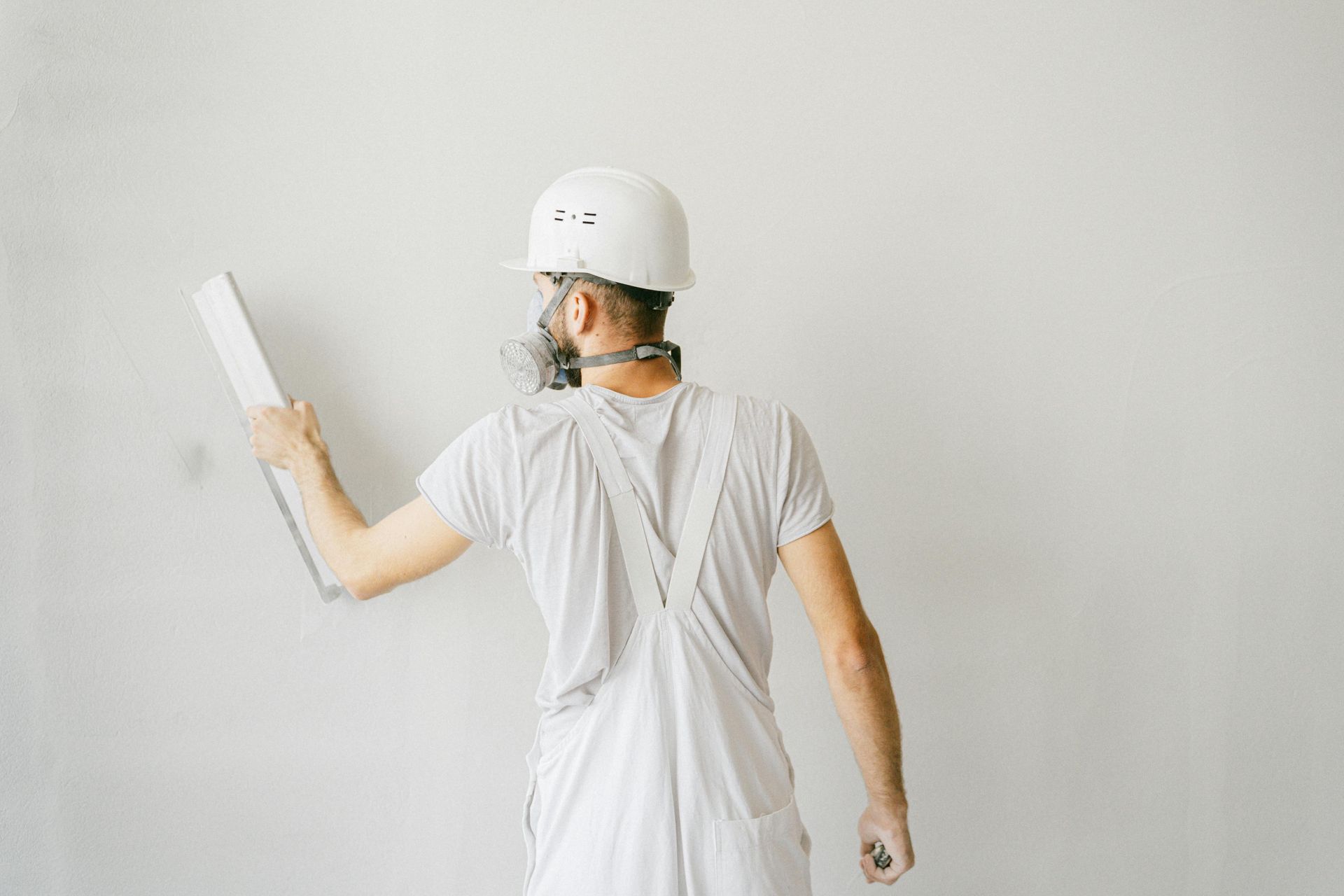
For commercial premises in particular, ceiling work needs to be managed with minimal disruption to the business operating below or around it. Dust control, protective sheeting, and a tidy site at the end of each working day all matter considerably when a shop, office or hotel needs to keep functioning while repairs are carried out.
AR Drylining's approach includes a full time appointed foreman on larger sites and regular visits from senior management throughout a project, which keeps communication clear and ensures the work stays on schedule without unexpected surprises for the client.
Repair or Full Replacement: Making the Right Call
Not every damaged ceiling needs a complete replacement, but knowing where that line sits requires proper experience rather than guesswork. Isolated water staining or a small cracked section can often be repaired and blended into the surrounding finish, while widespread sagging, repeated leaks in the same area, or damage affecting the structural grid usually points toward a full replacement being the more sensible long term option.
Getting this assessment right the first time avoids the frustrating cycle of repeated patch repairs on a ceiling that genuinely needed replacing from the outset, which ends up costing more in total than addressing the underlying issue properly at the start.
Getting Ceiling Repairs Done Right the First Time
A poorly executed ceiling repair rarely stays fixed for long, and in commercial settings, a compliance issue left unaddressed can become a far bigger problem than the original damage. Working with a contractor who understands both the practical repair work and the regulatory requirements behind it makes a genuine difference to how long the finished result actually lasts.
If your property has ceiling damage that needs assessing, whether it is a single damaged section or a full ceiling replacement, contact AR Drylining today for a free consultation and a team with over thirty years of collective experience behind every repair.